

Competitive online games reward consistency, yet data shows that most players plateau after a certain skill tier due to time limits and skill gaps. Research from Newzoo highlights that a large portion of players engage in ranked modes but struggle to climb consistently, creating a growing demand for external support services.
For Adrian, a 26-year-old working professional and avid Counter-Strike player, this plateau became a daily frustration. After months of grinding ranked matches, he found himself stuck, losing more games than he won. With limited time after work, he began searching for solutions. That search led him to platforms offering a CS2 rank boosting service, where players could pay for help to improve their competitive standing.
Struggle: The Breaking Point
Adrian’s journey mirrors that of many players caught between ambition and reality. He enjoyed the competitive nature of the game, but repeated losses began to affect both his motivation and confidence. Despite watching tutorials and practicing aim drills, progress remained slow.
These challenges are common. Studies from Statista show that online multiplayer games demand consistent playtime to maintain rank, yet many players cannot dedicate the hours required. As a result, frustration builds, especially when matchmaking systems pair players unevenly or when team coordination fails.
For Adrian, the tipping point came during a losing streak that dropped him several ranks. The time he invested no longer translated into visible results. He began to question whether continuing on his own was worth it.
Discovery: Enter the Boosting Ecosystem
While browsing gaming forums and social platforms, Adrian noticed recurring mentions of boosting services. These platforms promised faster rank progression by pairing players with highly skilled professionals. At first, he was skeptical. The idea of sharing his account or paying for rank advancement raised concerns about safety and fairness.
Still, curiosity led him deeper. He explored websites, read reviews, and compared service offerings. Platforms like BuyBoosting presented structured services, including solo boosting, duo play, and placement match assistance. Each option catered to different levels of involvement and comfort.
Industry insights suggest that customer acquisition for these services relies heavily on community presence. Marketing experts from McKinsey & Company note that digital services often grow through trust signals such as reviews, influencer mentions, and transparent pricing. Boosting platforms appear to follow this model closely, leveraging testimonials and detailed service descriptions to attract users.
Decision: Trust, Pricing, and Risk Assessment
Adrian approached his decision carefully. Several factors influenced his choice, including trust mechanisms, pricing models, and the type of service offered.
Trust Mechanisms
Trust remained his biggest concern. Many platforms claimed to use VPN protection to mimic the user’s location, reducing the risk of account flags. Others emphasized anonymity, promising that personal data and account details would remain secure.
Guarantees also played a role. Some services offered rank completion guarantees or partial refunds if goals were not met. Consumer behavior research from Deloitte indicates that guarantees and transparency significantly influence purchasing decisions in digital services.
Pricing Models
Pricing varied widely. Most platforms used tier-based pricing, where the cost increased depending on the desired rank and current level. For example, moving from mid-tier ranks to higher competitive tiers required more time and skill, which translated into higher fees.
Some services also offered add-ons such as express delivery, specific boosters, or streaming options for transparency. These upsells allowed customers to customize their experience, similar to premium features in other digital industries.
Service Types
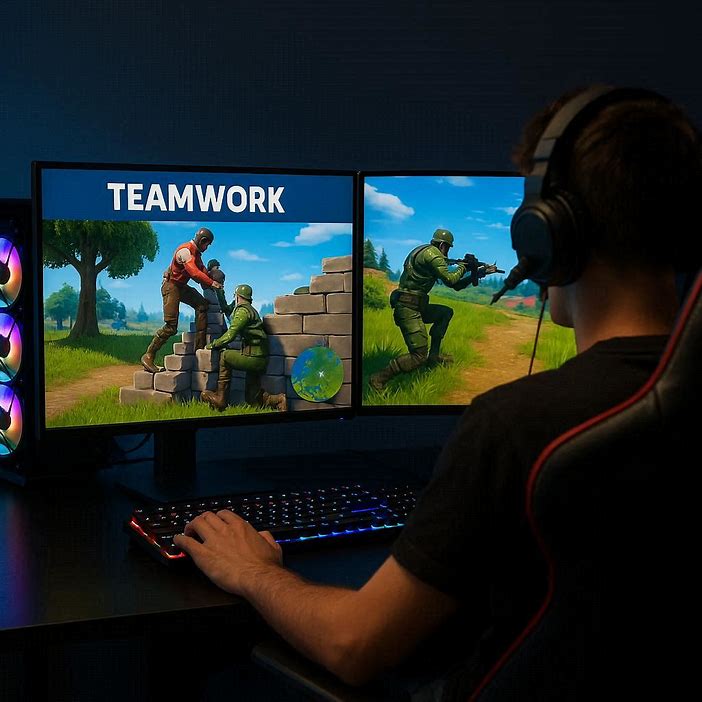
Adrian ultimately chose a duo boosting option. This allowed him to play alongside a professional, maintaining some control while still benefiting from expert gameplay. It felt like a balanced approach, reducing risk while still achieving results.
Outcome: Results and Return on Investment
The results were immediate. Within a week, Adrian’s rank improved significantly. More importantly, playing alongside a skilled partner helped him understand game mechanics, positioning, and decision-making at a higher level.
This outcome reflects a broader pattern. Data from PwC suggests that consumers are more likely to invest in digital services when they see both short-term results and long-term value. In Adrian’s case, the service delivered both.
Financially, the investment felt justified. The cost of boosting was comparable to other entertainment expenses, yet the perceived value was higher due to the tangible improvement in rank and gameplay experience.
However, the long-term impact was more nuanced. While his rank improved, maintaining that level required continued effort. Without consistent practice, players risk dropping back down. This highlights a key limitation of competitive boosting solutions: they provide access to higher tiers, but not permanent skill transformation.
Business Insights: How Boosting Services Sustain Demand
Adrian’s story reveals several insights into the business model behind these services.
- Demand is driven by time scarcity: Many players lack the hours needed to progress naturally, creating a steady customer base.
- Delivery relies on skilled labor: Boosters are often high-ranking players who monetize their expertise, turning skill into income.
- Trust is the foundation: VPN use, anonymity claims, and guarantees help reduce perceived risk and encourage transactions.
- Pricing reflects complexity: Higher ranks require more effort, which directly influences cost structures.
- Customer retention depends on experience: Positive outcomes and learning opportunities increase the likelihood of repeat use.
These elements align with broader digital marketplace trends. Research from Harvard Business Review shows that successful online services combine clear value propositions with trust-building mechanisms, especially in industries where risk perception is high.
Conclusion: Beyond the Rank
Adrian’s journey illustrates more than a simple transaction. It reflects a growing intersection between gaming, digital services, and consumer behavior. Competitive rank improvement solutions have evolved into structured businesses, driven by demand, refined delivery systems, and carefully built trust frameworks.
While these services offer quick results, they also raise questions about long-term value and personal growth. For some players, they serve as a shortcut. For others, they act as a learning tool, providing exposure to higher-level play.
As the gaming industry continues to expand, services focused on competitive advancement, skill assistance, and rank progression are likely to remain relevant. Their success will depend on maintaining trust, adapting pricing strategies, and delivering consistent results in a highly competitive digital landscape.
Ultimately, the decision to use a competitive rank advancement service depends on individual priorities. For players like Adrian, it becomes a calculated investment, one that balances time, money, and the desire to compete at a higher level.