

Business Technologies: Explore Servers on Minecraft Menu and Discover the Power of Online Gaming
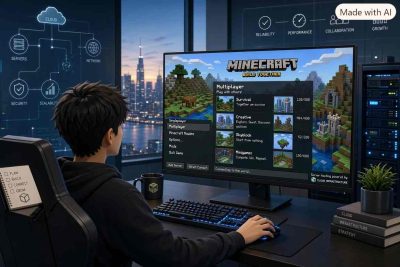 Business technologies continue to change how people connect, communicate, and enjoy digital experiences. From cloud computing to online gaming, modern technology supports platforms that bring millions of users together. One popular example is Minecraft, a game that allows players to build, explore, and interact in shared virtual environments. Behind its creative gameplay is a network of technologies that help servers operate smoothly and keep players connected.
Minecraft servers offer more than entertainment. They demonstrate how hosting services, networking systems, digital communities, and online platforms work together. These technologies also play important roles in business operations, especially for companies that depend on reliable online services.
For players interested in discovering new communities, platforms such as Minecraft Menu provide a way to explore servers on Minecraft Menu with different game modes and experiences. Understanding how these platforms work also offers useful insights into the technologies supporting today’s digital businesses.
How Business Technologies Support Minecraft Servers
Minecraft multiplayer servers rely on several technologies commonly used by modern businesses. These include server hosting, cloud infrastructure, database management, network security, and performance monitoring. Each component helps create an environment where users can connect and interact.
Server hosting is one of the most important elements. A Minecraft server needs computing resources to manage player activities, process game events, and maintain the virtual world. Similarly, businesses use servers to host websites, operate applications, and store important information.
Cloud computing has made these services more accessible. Instead of purchasing expensive physical equipment, server operators can rent computing resources from hosting providers. This approach allows them to adjust capacity according to their needs.
For example, a small Minecraft community may start with limited server resources. As more players join, the administrator can upgrade the hosting plan to support additional activity. Businesses follow a similar approach when expanding their online operations.
Network performance also affects the player experience. High latency can cause delays when players move, interact with objects, or communicate with others. Reliable networking helps reduce these problems and creates a smoother experience.
Businesses face comparable challenges when operating online stores, customer portals, and digital applications. Slow response times can frustrate users and affect customer satisfaction. This makes server performance an important consideration in both gaming and business environments.
Security is another shared priority. Minecraft administrators need to protect their servers against unauthorized access, disruptive activity, and potential attacks. Companies also use security technologies to protect customer information and maintain reliable services.
These similarities show how online gaming environments can provide practical examples of business technology in action.
Explore Servers on Minecraft Menu and Find New Gaming Communities
Minecraft offers many multiplayer experiences, but finding the right server can take time. Players often have different preferences when it comes to gameplay, community size, server rules, and available features.
A Minecraft server directory helps simplify the discovery process by bringing server information into one location. Instead of searching through individual websites or community discussions, players can browse different options and compare their features.
Players looking to explore servers on Minecraft Menu can use the platform as a starting point for discovering multiplayer communities and new gaming experiences.
Minecraft servers commonly feature several types of gameplay, each offering a different experience.
Survival servers focus on gathering resources, crafting equipment, building shelters, and exploring the game world. Some communities encourage cooperation, while others introduce competition between players.
Creative servers provide environments where players can concentrate on construction and design. These communities often feature impressive buildings, detailed landscapes, and collaborative projects.
Minigame servers offer shorter activities that players can enjoy individually or with friends. These may include parkour challenges, competitive games, and team-based events.
Roleplay servers create virtual communities where players take on different roles and participate in shared stories. Some include towns, economies, jobs, and community rules that shape the overall experience.
Each server type attracts a different audience. This variety makes server directories useful for players who want to discover communities that match their interests.
From a business technology perspective, server discovery platforms also demonstrate the importance of organizing digital information. Search functions, categories, and clear descriptions help users make decisions without unnecessary effort.
The same principles apply to online marketplaces, business directories, and software platforms. When information is easy to access, visitors can find relevant services more efficiently.
Server operators also benefit from better discoverability. A well-presented listing can help potential players understand what makes a community different from others.
However, attracting visitors is only part of running a successful server. Administrators must also maintain performance, establish clear rules, and provide an enjoyable environment.
A reliable server with an active community is more likely to encourage players to return. This reflects an important business principle: long-term engagement depends on delivering a consistent user experience.
What Minecraft Server Management Teaches Us About Digital Business
Managing a Minecraft server involves responsibilities that closely resemble operating an online business. Administrators must consider technical performance, user satisfaction, security, community growth, and ongoing maintenance.
One important lesson is the value of scalability. A server that performs well with ten players may struggle when hundreds attempt to connect. Administrators need to monitor resource usage and plan upgrades when demand increases.
Businesses face similar situations during promotional campaigns, seasonal sales, and periods of rapid growth. Their digital systems must support increased traffic without causing major disruptions.
Another lesson involves customer experience. Minecraft players expect stable connections, fair rules, and responsive administration. When these expectations are not met, they may decide to join another community.
Online businesses also depend on positive user experiences. Customers are more likely to return when websites are easy to navigate, services work properly, and support is available when needed.
Community management provides another useful comparison. Successful Minecraft servers often encourage communication through forums, messaging platforms, and organized events. These activities help players develop connections and remain involved.
Businesses use similar methods through customer communities, social media channels, and loyalty programs. Building relationships encourages participation and strengthens trust over time.
Data monitoring also plays an important role. Server administrators can review player activity, performance statistics, and technical reports to identify potential improvements.
For businesses, analytics help reveal customer behavior, website performance, and service demand. These insights support better decisions about technology investments and future development.
Automation is another valuable tool. Minecraft administrators may use software to manage backups, moderate activity, or perform routine maintenance. Businesses use automation to handle repetitive processes and improve operational efficiency.
Although Minecraft servers and commercial platforms serve different purposes, they share many underlying technical requirements.
Both depend on dependable infrastructure, effective management, and a clear understanding of user needs.
Minecraft also encourages creativity and problem-solving. Players regularly experiment with building systems, managing resources, and working together to complete projects. These activities can introduce useful ideas related to planning, collaboration, and digital technology.
For individuals interested in technology, exploring multiplayer servers can provide a practical introduction to how online communities operate.
For business professionals, these environments offer examples of how digital platforms attract users, manage resources, and maintain engagement.
As online services continue to develop, the connection between gaming technology and business infrastructure will remain relevant. Cloud hosting, cybersecurity, automation, and user experience are already essential in both industries.
Minecraft Menu provides a convenient starting point for discovering the variety of multiplayer environments available to players. Exploring different servers can reveal how communities organize themselves and how technology supports their activities.
Ultimately, Minecraft servers demonstrate that digital experiences require more than creative ideas. They also depend on reliable systems, thoughtful management, and continuous improvement.
Whether someone wants to enjoy multiplayer gaming or better understand modern online platforms, Minecraft offers an accessible example of business technologies working behind the scenes.