

Our world today is leaning more on a technology-centric environment, web applications have become indispensable tools for businesses and consumers. The evolution of web applications has been remarkable, from their modest origins to the advanced systems we use today.
Essential Components of Web Applications
At the core of every web application are essential components that work together to provide a seamless user experience, reflecting the evolution of web applications over time. Front end, using HTML, CSS, and JavaScript, manages the app’s visuals and interactions, while the back end, built with Python, Ruby, or PHP, handles data processing and server tasks, with data stored in MySQL or MongoDB. APIs facilitate seamless communication between the two, showcasing advances in web applications for complex, dynamic user experiences.
Designing User-Friendly Web Applications
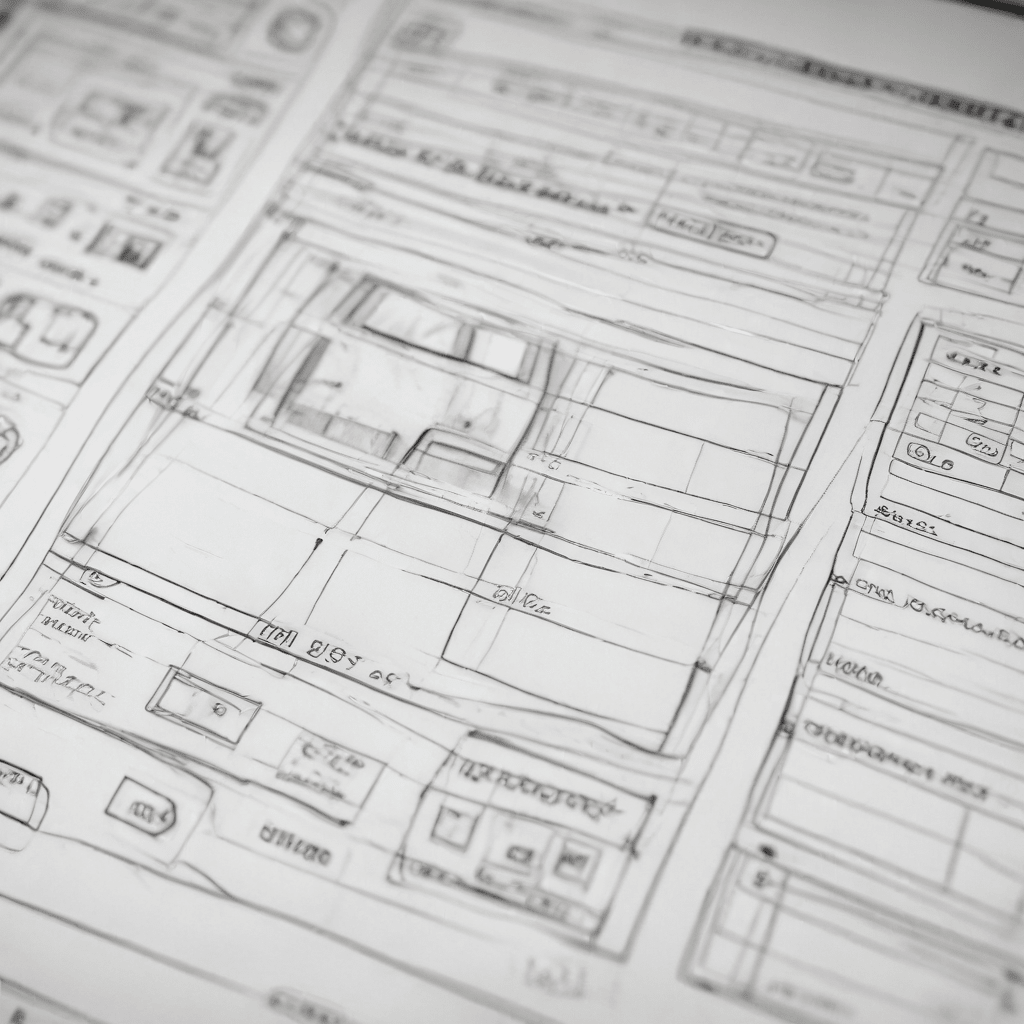
Creating a web application that users find intuitive involves more than just good looks. Begin by understanding user needs and behaviors, then create a clear, simple navigation structure with responsive design for various devices. Ensure accessibility for users with disabilities. However, the process doesn’t stop there—regular user testing and feedback are essential for ongoing refinement and meeting user expectations.
Performance Optimization Techniques
Performance is crucial in web application development, as slow or unresponsive apps can frustrate users and increase bounce rates. To boost performance, developers should minimize file sizes and use techniques like lazy loading, which loads resources only when needed. Caching frequently accessed data and using content delivery networks (CDNs) to distribute content can boost load times.
Regular monitoring and profiling help pinpoint and address performance issues for optimal speed and efficiency.
Mobile Responsiveness and Web Applications
In today’s mobile-centric world, mobile-responsive web design is essential. It modifies different screen sizes and exposures with adaptable layouts, scalable images, and media queries, providing a consistent experience across devices. Mobile responsiveness enhances user satisfaction and SEO since search engines prefer mobile-friendly sites. With increasing mobile use, prioritizing mobile responsiveness is crucial.
The evolution of web applications reflects ongoing technological advancements and changing user expectations. By understanding the essential components, focusing on user-friendly design, implementing performance optimization techniques, and ensuring mobile responsiveness, developers can create web applications that meet the needs of today’s digital landscape. These principles will help deliver seamless, engaging experiences that keep users returning for more.